

Concrete has a reputation for being cold, yet in the right hands it is warm, tactile and remarkably long lasting.
In this article we share how our studio approaches the subject on real projects, from first sketches to the finished building.
Concrete is often misunderstood as cold or heavy. Used with care, it gives buildings a calm, solid presence and ages in a way few modern materials can match.

Texture tells the story
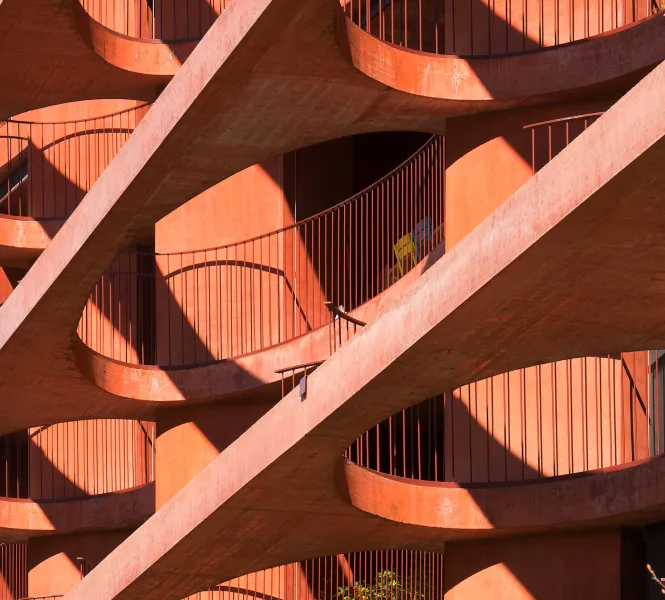
Board-marked surfaces, polished floors and exposed soffits all show how the building was made. That honesty is what clients remember when they walk in.
The best concrete buildings feel carved rather than assembled.
Where we use it
- Structural frames that stay visible inside
- Thermal mass to keep rooms cool in summer
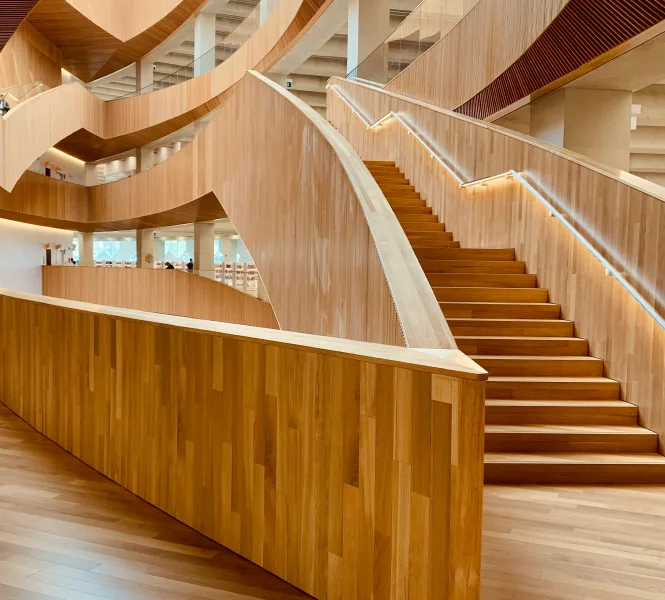
- Stairs and benches cast as one piece
- Facades that age gracefully without paint
Every project is different, but these principles help us make clear decisions early and protect the quality of the design all the way to completion.
Thermal mass and comfort
Exposed concrete floors and walls store heat during the day and release it slowly at night. In a well insulated building this evens out temperature swings, reduces the need for mechanical cooling and makes rooms feel stable and comfortable.
We pair exposed slabs with good shading and night ventilation so the mass works for the occupants rather than against them.

Board-marked concrete records the grain of the timber formwork.

Exposed slabs store daytime heat and release it slowly at night.
Lower carbon concrete
Cement carries a large carbon footprint, so we specify mixes with recycled aggregates and cement replacements such as slag or fly ash. We also design slabs and frames to use only the material the structure needs.
Where we can, we keep existing concrete frames and adapt them. Reusing a structure is almost always the lowest carbon option.
Final thoughts
Architecture is a long conversation between a place, the people who use it and the team who designs it. If you are planning a project, we would love to hear about it.